Family Guidance
Ten Benefits of a Home Health Aide for an Aging Parent
By CareLink Care Team 8 min read

Families often frame home care as a loss of independence. In practice it is usually the opposite. The right aide is the reason someone keeps living in the house they chose, on the schedule they prefer, near the neighbors they know.
Here is what tends to change in the first few months.
1. Falls become less likely
Bathrooms and stairs account for a large share of injuries at home. An aide is present during the riskiest transfers, keeps walkways clear, and notices a rug or a loose handrail before it causes a problem. Prevention is undramatic, which is exactly why it works.
2. Meals get eaten
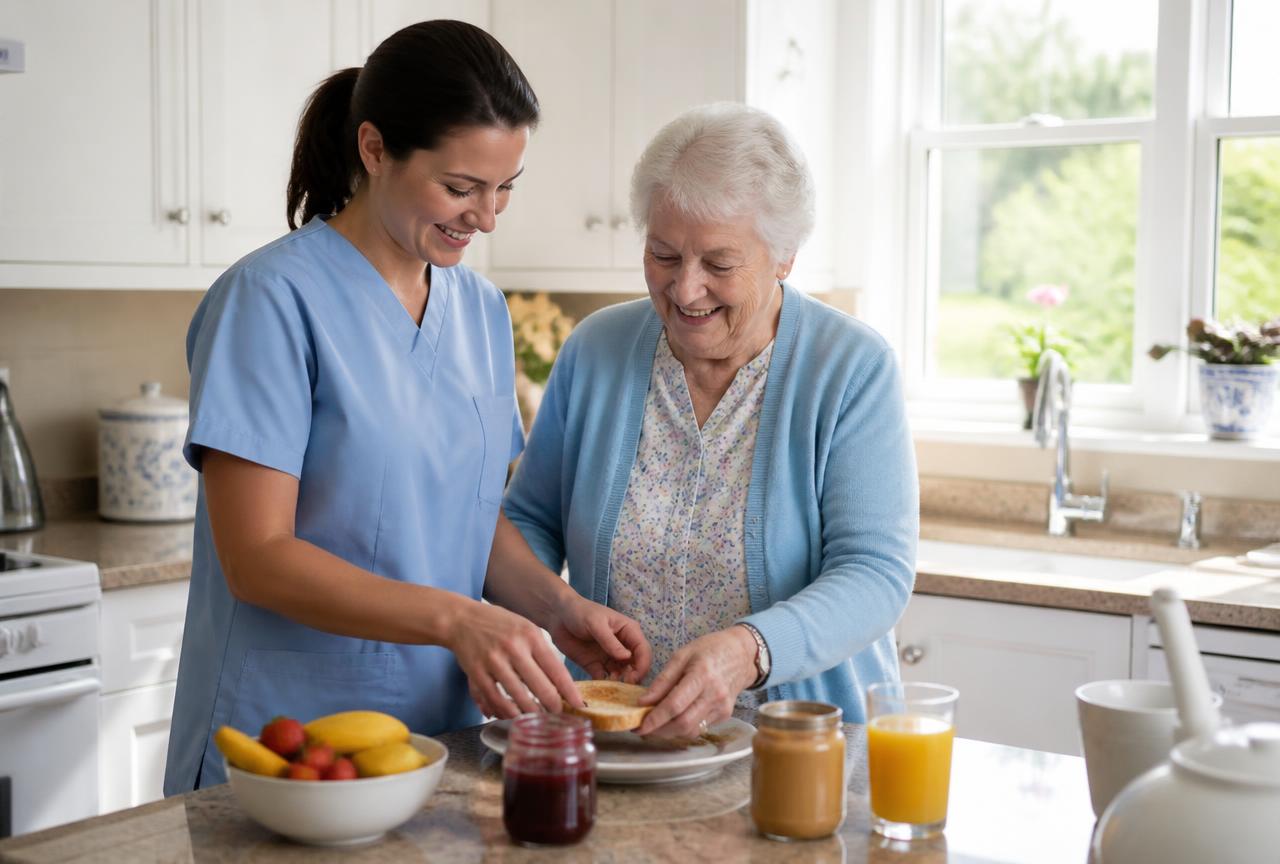
Appetite fades when cooking becomes hard, and poor nutrition accelerates almost every other decline. An aide who cooks familiar food, sits at the table, and quietly tracks what was actually eaten changes the trajectory more than any supplement.
3. Medications stay on schedule
Aides do not prescribe or adjust doses, but the daily reminder and the observation that a bottle is untouched or running out early are how missed doses get caught. Those observations go back to the supervising nurse.
4. Hygiene stops being a fight
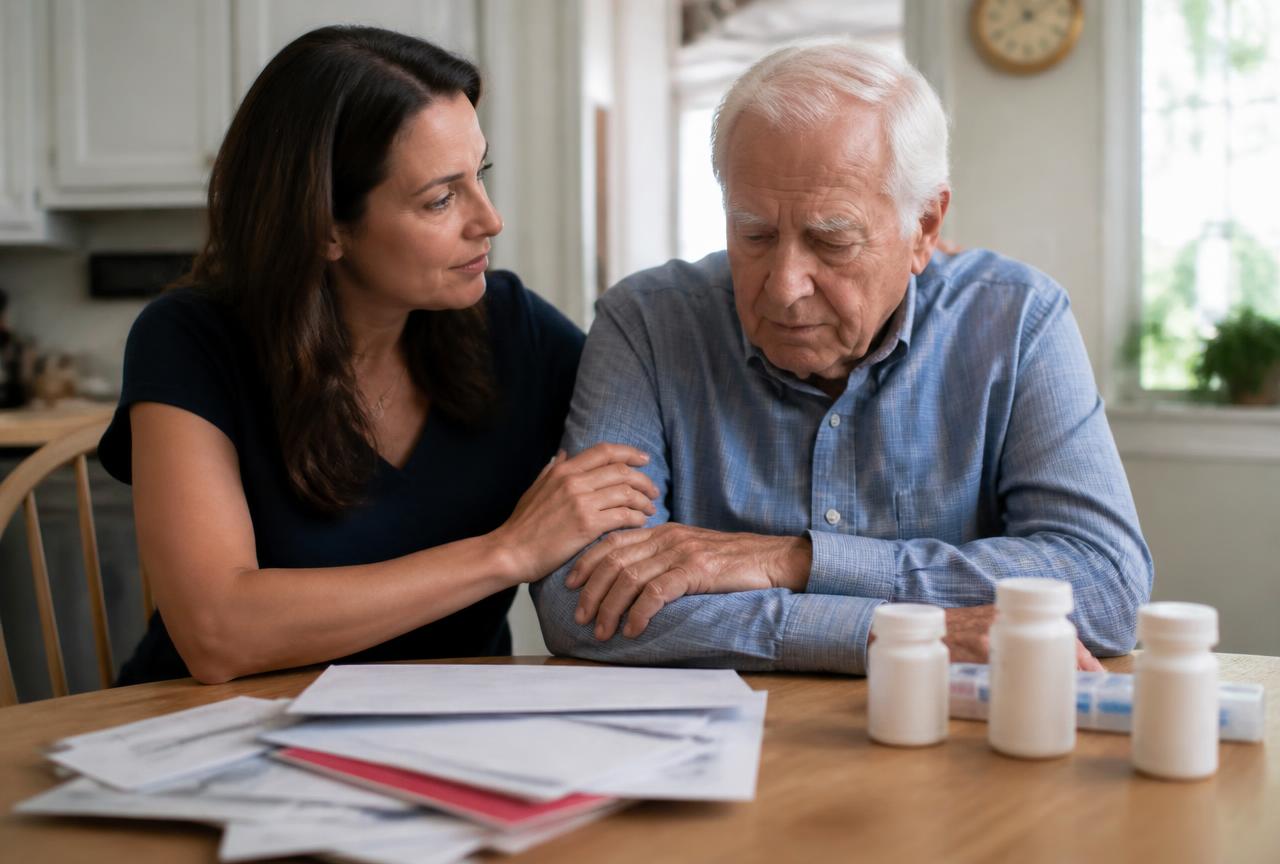
Bathing is often the flashpoint between adult children and parents. Handing it to a trained aide removes the conflict from the relationship. Many families say this alone was worth it, because they got to go back to being a son or a daughter instead of the person forcing a shower.
5. Early warning signs get reported
Someone who sees a person daily notices swelling, confusion, a new cough, or a change in gait long before a monthly appointment would. In an agency where the aide reports to a supervising nurse, that observation reaches a clinician quickly.
6. Hospital readmissions become less likely
The weeks after a hospital stay are fragile. Instructions get misread, follow up appointments get missed, and small problems escalate. Consistent presence in the home during that window addresses many of those failure points.
7. The house stays livable
Light housekeeping, laundry, and clean linens are not luxuries. A cluttered floor is a fall risk and unwashed bedding is a skin risk. Keeping the used areas of the home in order is part of clinical safety.
8. Isolation eases
Loneliness has real health consequences for older adults. A familiar person arriving on a predictable schedule creates structure in the week and gives someone to talk to who is not managing a crisis.
9. Family caregivers get their lives back
Adult children in Massachusetts are frequently working full time, raising kids, and driving to a parent's house every evening. Burnout is not a character flaw, it is arithmetic. Care hours give a family the sleep and the margin to be present rather than depleted.
10. The move to a facility can often be delayed
For many families the goal is simply to stay home longer. Home care will not fit every situation, and there are conditions where a facility is the safer choice. But when the barrier is daily tasks rather than round the clock medical need, aide support is frequently what keeps someone in their own home.
Talk To A Coordinator
Tell us what care is needed in your home and a CareLink coordinator will call you back to review your options and help connect you with a licensed provider. The provider handles the assessment, coverage, and hours.
Request CallbackThis article is general information about home care in Massachusetts. It is not medical advice and it is not a substitute for an assessment by a licensed clinician. Coverage and authorized hours are decided by your health plan and the licensed provider after an eligibility review. CareLink is an independent healthcare connection and coordination platform that helps families connect with licensed home healthcare providers, and is not affiliated with, endorsed by, or acting on behalf of MassHealth or any health plan or government agency.