Skilled Nursing
Skilled Nursing at Home: What a Visiting Nurse Actually Does
By CareLink Care Team 8 min read
Skilled nursing at home sounds clinical, and it is. It is also the reason many people in Massachusetts recover in their own bedroom instead of a rehabilitation facility.
This article explains what a visiting RN or LPN does on a home visit, which conditions typically qualify, how visits are ordered, and how skilled nursing fits alongside aide services.
The core clinical tasks
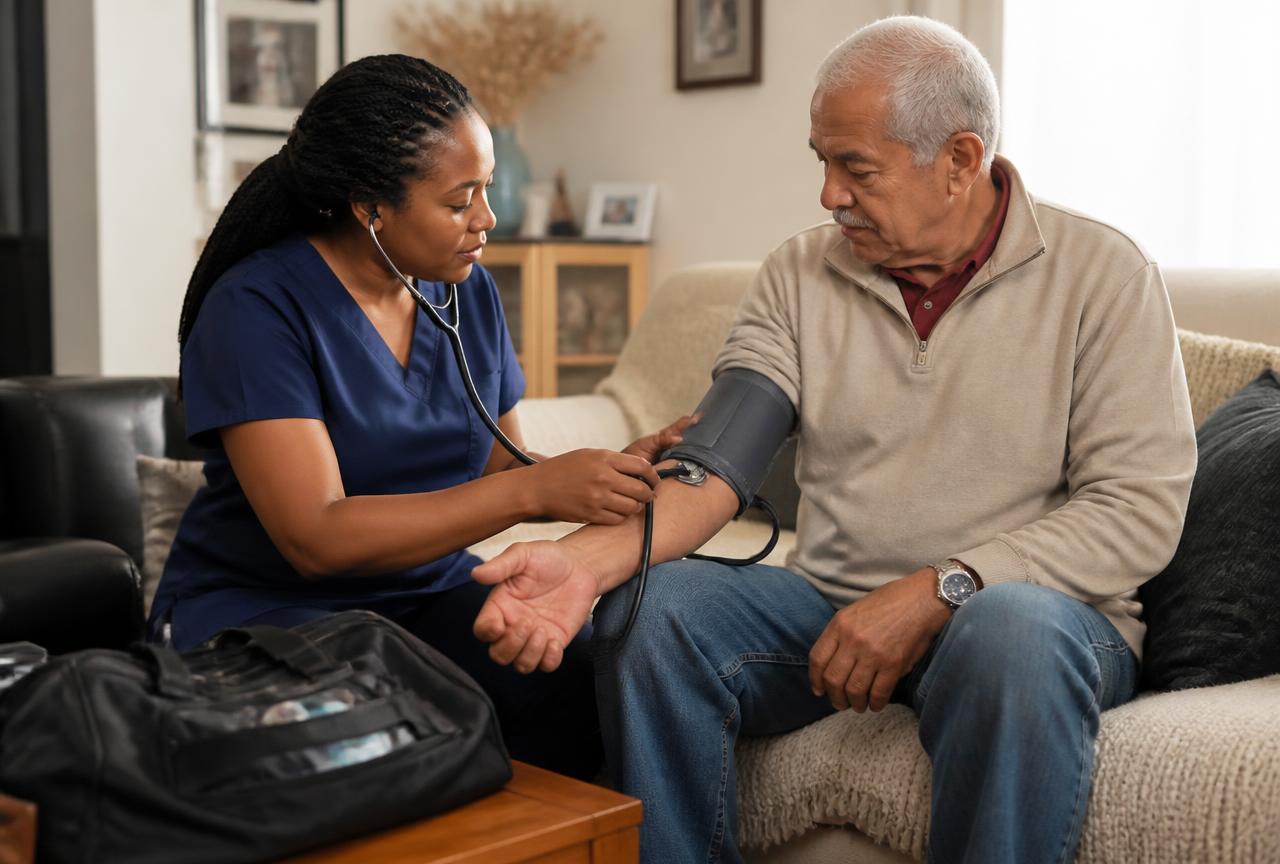
A skilled nursing visit is short and focused, usually between thirty minutes and about an hour and a half depending on the task. The nurse arrives with supplies, performs the ordered care, documents findings, and communicates with the prescriber when something changes.
- Wound care, including surgical incisions, pressure injuries, and diabetic ulcers
- Injections and infusion support, including IV antibiotics when ordered
- Catheter and ostomy care and teaching for the family
- Medication reconciliation after a hospital stay, when the pill list rarely matches the discharge sheet
- Vital sign monitoring and assessment for heart failure, COPD, and diabetes
- Diabetic management, including glucose monitoring and insulin teaching
- Post surgical recovery checks and pain management review
- Teaching the patient and family so fewer visits are needed over time
Who typically qualifies
Skilled nursing at home is ordered when a person needs care that only a licensed clinician can provide, and when leaving the house for that care would be difficult. Common situations include recovery after joint replacement or cardiac surgery, an infection needing IV antibiotics, a wound that is not closing, uncontrolled diabetes, and heart failure that keeps landing someone back in the emergency department.
Eligibility is a clinical decision, not a marketing one. A nurse assesses, a prescriber orders, and the health plan reviews. Any agency that promises approval before an assessment should be treated with caution.
How a visit is ordered
Most referrals start in one of three places: a hospital discharge planner, a primary care office, or a family calling an agency directly. If the referral comes from a family, the agency contacts the physician to obtain orders, because home nursing must be tied to a prescriber's plan.
Once orders are in place, the frequency is set. It might be daily for a wound, three times a week tapering to weekly, or a single teaching visit. The frequency is reviewed and adjusted as the patient improves.
How skilled nursing and aide services work together
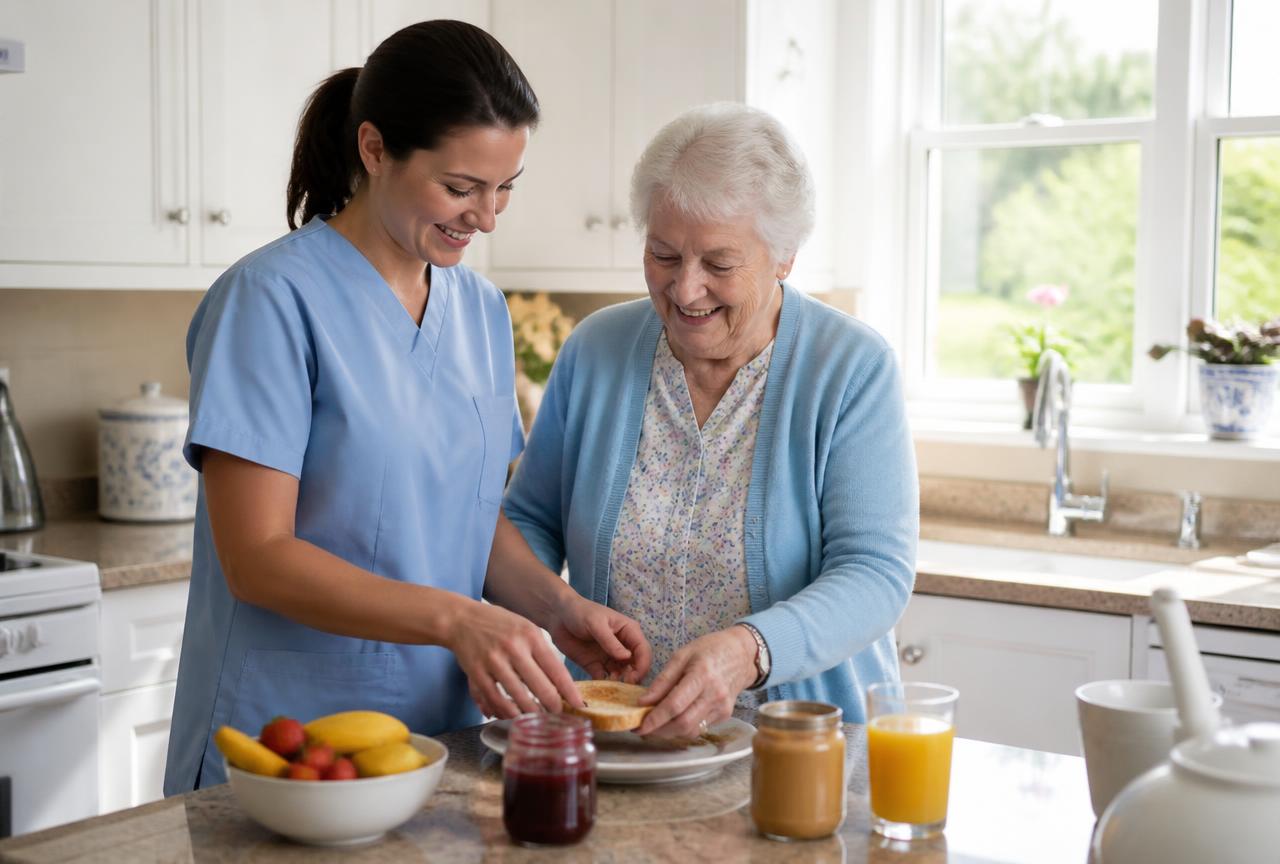
In many households both are needed and they are not interchangeable. The nurse manages the medical problem. The aide manages the day. A nurse might visit twice a week for wound care while an aide comes each morning for bathing, breakfast, and mobility support.
The value of a single agency handling both is coordination. The aide sees the person daily and notices the swelling, the confusion, or the skipped meals first. When the aide and the nurse work from the same plan and report to the same coordinator, that observation reaches a clinician the same day rather than at the next appointment.
Preparing your home for nursing visits
Nurses do not need a clinic. They do need a clean, well lit surface, a place to wash hands, and space to work near the patient. Keeping the current medication bottles in one basket saves time on every single visit.
It also helps to keep a simple notebook by the chair. Write down what changed since the last visit, what questions came up at 2 am, and what the pharmacy said. The nurse has limited time and the notebook makes sure nothing important gets forgotten.
Talk To A Coordinator
Tell us what care is needed in your home and a CareLink coordinator will call you back to review your options and help connect you with a licensed provider. The provider handles the assessment, coverage, and hours.
Request CallbackThis article is general information about home care in Massachusetts. It is not medical advice and it is not a substitute for an assessment by a licensed clinician. Coverage and authorized hours are decided by your health plan and the licensed provider after an eligibility review. CareLink is an independent healthcare connection and coordination platform that helps families connect with licensed home healthcare providers, and is not affiliated with, endorsed by, or acting on behalf of MassHealth or any health plan or government agency.